America First vs Japanese First
Anti-immigrant sentiment is said to be spreading in Japan. Three former Japan-based members and supporters of Unfiltered share about about their responses to ICE in their US hometowns, and the parallels to Japan.
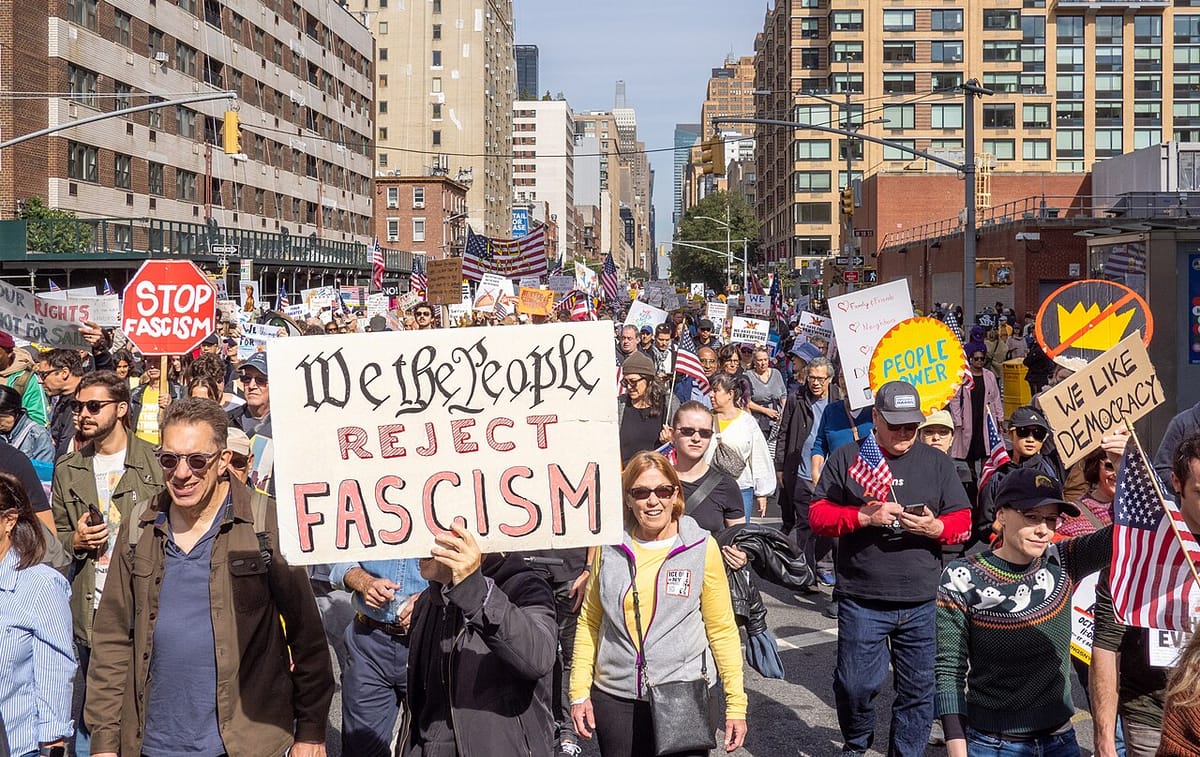
Japan’s ruling Liberal Democratic Party is slated to announce its policy on foreigners in May and is expected to impose more requirements for permanent residency and tighter control over property ownership by foreign nationals.
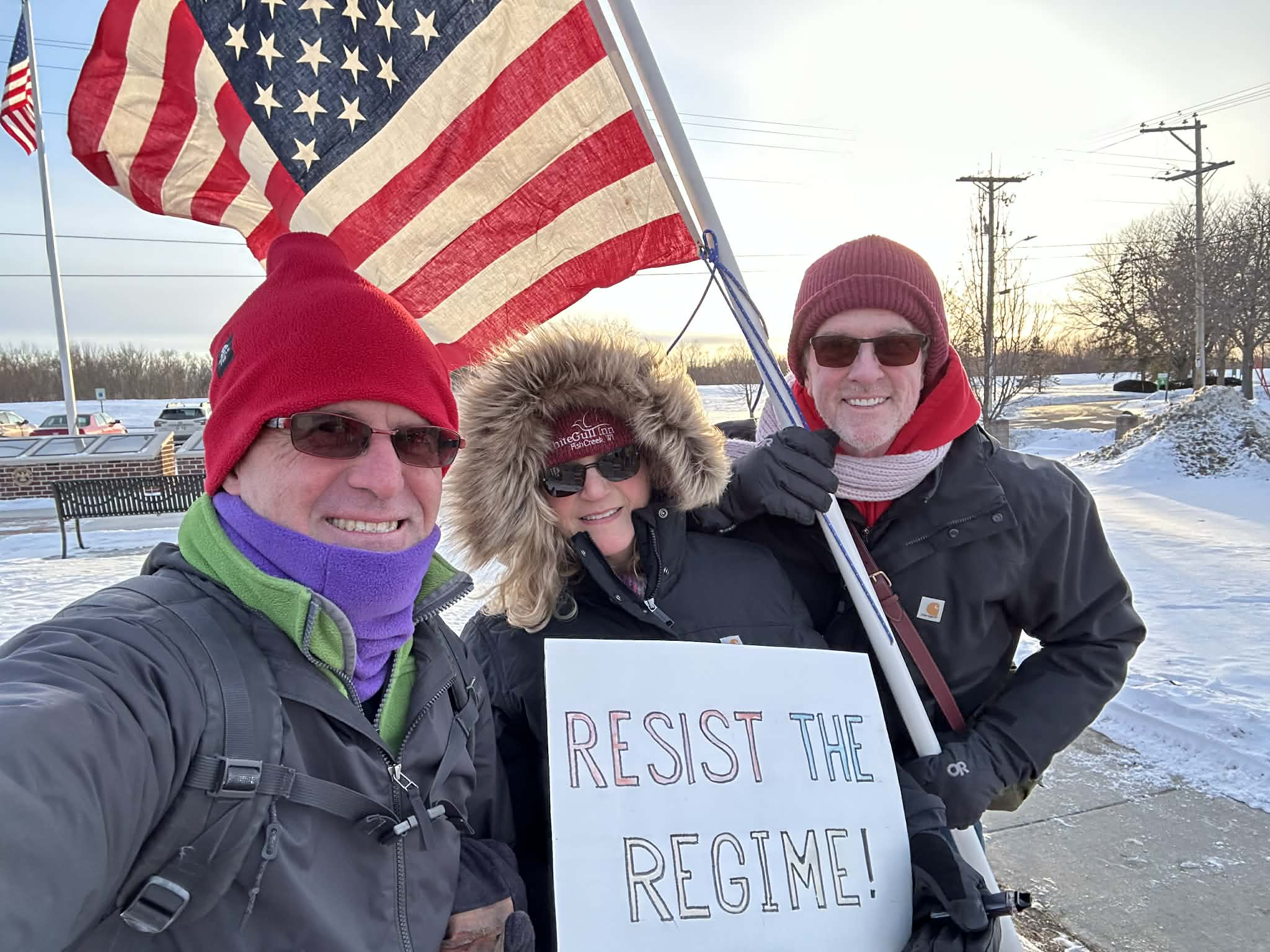
Unfiltered asked our member, Joan Bailey, and two of our supporters, Rich Bailey and Matt Noyes, all of whom moved back to the United States after having lived in Japan for more than 10 years, about their responses to Immigration and Customs Enforcement (ICE) in their hometowns in Portage, Wisconsin and Colorado Springs, Colorado, during these tumultuous times.
Anti-immigrant sentiment is said to be spreading in Japan following the local election victory of the extreme right Sanseito Party, which, for the first time, became the fourth-largest opposition at the Tokyo Metropolitan Assembly last June with their slogan “Japanese First” – directly influenced by the "America First" policy promoted by the current US government.
Meanwhile, the Trump administration launched a man-hunt for illegal immigrants and undocumented residents across the United States, and ICE and Border Patrol agents were spotted abusing their powers.
The result was unnecessary injuries and killings of American citizens: In January this year, Renee Good, a 37-year-old mother of three, and Alex Pretti, a 37-year-old nurse at Veterans Hospital, were shot and killed a few weeks apart in Minneapolis. By one outlets count, at least 28 people have been murdered by ICE since early 2025.
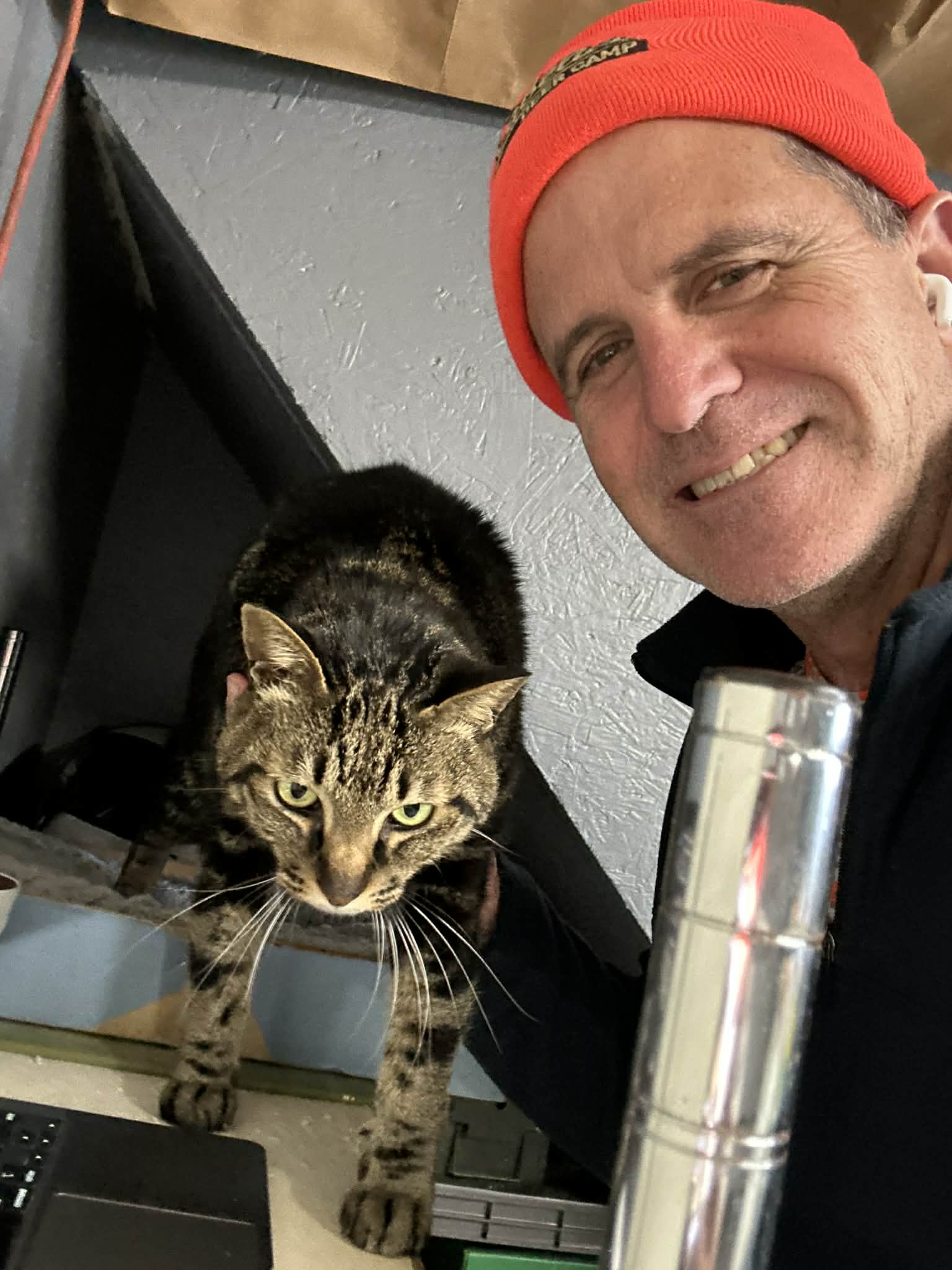
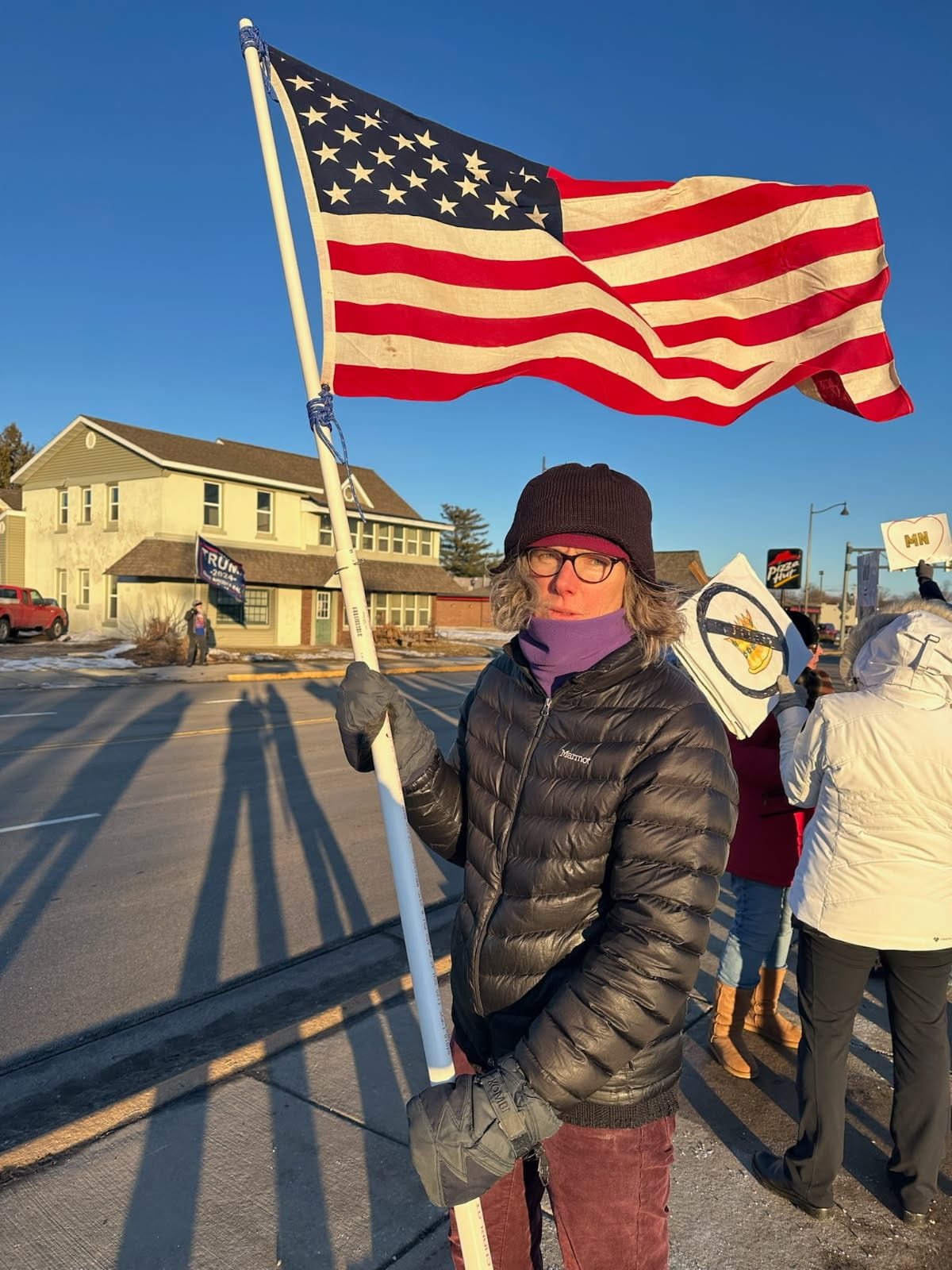
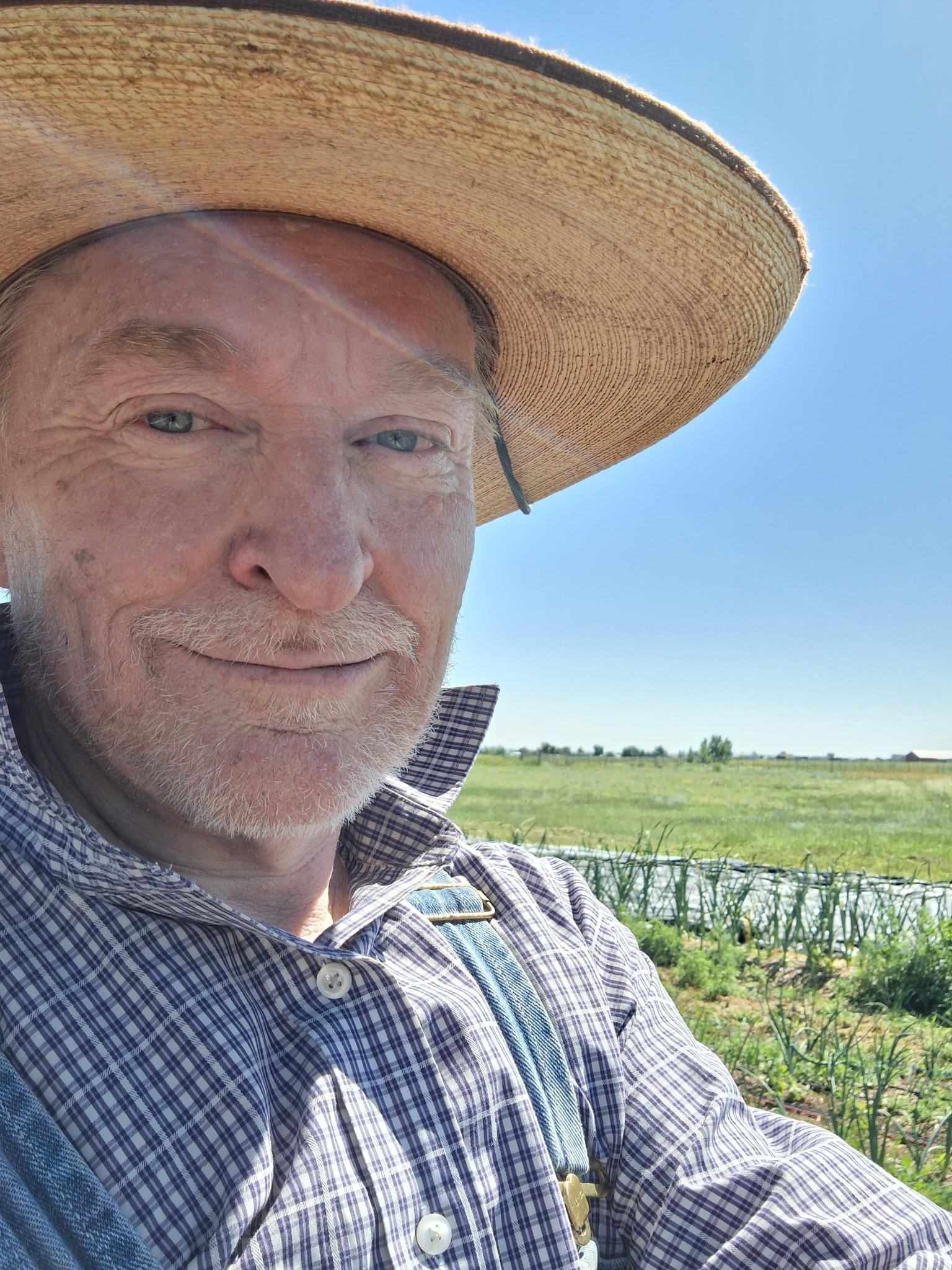
From Left to Right: Rich and Joan Bailey, and Matt Noyes
Rich Bailey is a freelance proofreader who works on business reports about Chinese and Taiwanese markets. Based in Wisconsin, he is active in local community groups and politics and has previously lived and taught in England, Fiji, Kazakhstan, and Japan.
Joan Bailey is a Wisconsin writer whose work focuses on food, farming, farmers markets, and travel. She lived in Japan for 14 years. Her work has appeared at Gastro Obscura, The Japan Times, Modern Farmer, Civil Eats, Smithsonian Magazine, and Permaculture Magazine among others.
Matt Noyes is a democratic movement educator and organizer who lived in Japan for 15 years. He runs a farmers’ cooperative based in Colorado Springs.
Unfiltered: It seems Japan’s very first female Prime Minister Sanae Takaichi is trying to follow in Trump’s footsteps...
Rich I think in America, similar to Japan, white people in general were the majority. They were the ones in power. It was their culture. It was their religion, their music, their food was dominant. And they felt comfortable, confident and complacent.
And changing demographics, immigration, etc., are changing all of that. And that white population — I don't know if they're still the majority anymore — are feeling very threatened.
A lot of what we're seeing, I feel, is this backlash against everything and anything that threatens the white hegemony. It drives a lot of politics in how people think.
So I suspect that in a way Japan has some of that same feeling at times where the immigrant, the outsider, is a threat to the power structure and especially for the older generation who still drives the economy and politics. It's very threatening, so it's a very fertile environment for these anti-immigrant feelings.
I feel Japan is not particularly flexible. It's quite brittle about those things. But Japan is probably reaching some sort of tipping point economically and demographically. It could be the fear that is driving or supporting this anti-immigration policy.
But I think politicians create a different problem to distract people.
Matt These are global phenomena, a global movement. And it’s not entirely new. I lived in Japan for 15 years. Soon after I moved to Tokyo’s Shinagawa district, there was a bank with a sign in English, Spanish, Portuguese, Chinese and Korean saying, “We are watching you.” It was an official sign. That is pretty infuriating. That was 20 years ago. That’s something to think about.
I also think about the secret police during the wartime in Japan. That’s what the Border Patrol in the US looks like. These people are out of control and they act like they don’t have to follow the protocol.
So it's as if in Japan you had regular police and then other agents who behaved with no limits. In Japan, the police already do what they want, but this is much more extreme.
I think one of the challenges in this kind of situation is sometimes it’s hard to see what’s happening. The killings in Minneapolis made people realize that the forces are really out of control, using violence way out of proportion, with no protocols, acting like vigilante special forces.
They're calling it a law enforcement operation, but it’s not. I think that the similarity with the wartime special forces is really interesting because that's exactly what happens as you move into a war.
These paramilitary groups reflect a larger change in the way people deal with politics.
Cleaning Up the Political Mess
Joan It was bad enough in Japan when Trump won. I mean, it was just horrific, but at least we had some distance and we weren't living in it.
It would just be so nice if politics was boring the way it used to be. But they're just throwing everything at the wall trying to see what will stick and meanwhile, Normal Americans are trying to clean up the mess. It's exhausting. They're trying to wear us down.
This toxic politics has gotten into almost all aspects of life here in the US. And it's just horrendous. You don't want to strike up a conversation with a stranger in a way because everybody's dancing around.
The Republicans want to repress the vote. The SAVE America Act is one among many things that apparently does this. If you are a woman and changed your name when you got married, but your birth certificate has your original name, potentially you won't be able to vote. They are diverting attention.
Tell me what’s happening in your communities since ICE and Border Patrol are cracking dNown on immigration in Minnesota
Rich I started a group called Indivisible, in our little town in Wisconsin and have been organizing the Friday protests. It’s part of a national group that was formed by some congressional staffers who lost their jobs in 2016, when Trump became president, because they knew that people were upset. They decided to write the Indivisible guide. The document explained what you should do if you want to make a change.
So this Indivisible guide was shared very widely, and the network is now international, with the majority in America.
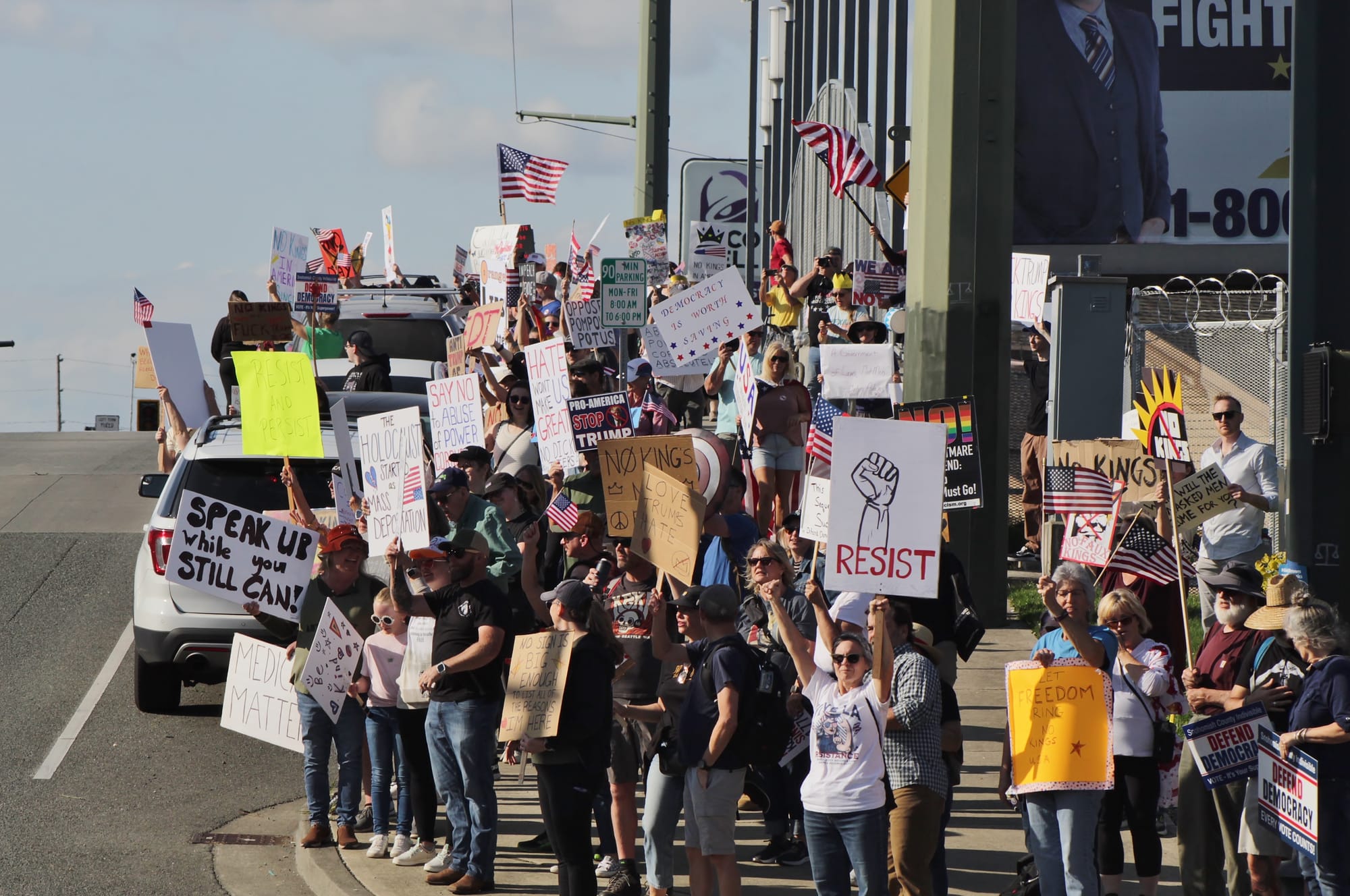
Matt Many people turned up in Colorado Springs for the last No Kings Day we had a couple of months ago, which was absolutely interesting and definitely not the usual suspects. It’s more politically diverse than the usual protests.
For example, we saw lots of ex-military people there, including one guy who had a great sign that said, “My grandfather fought fascists so we wouldn’t have to.” And there was another great sign that said, “You know something bad is happening when a straight, middle-aged, middle-class white guy like me is holding up a sign.” So we see more creative homemade signs.
Around here we see lots of these big pickup trucks with American flags. I usually think they must be Trump supporters but most of them were honking in support of our demonstration.
‘Nurses Save Lives, ICE Takes Lives’
Matt Right after Alex Pretti was killed, maybe around 300 people came to protest. It was very spontaneous, very grassroots. It didn’t feel like a traditional, standard protest at all.
I was standing on the street, and next to me were two nurses. It was so intense and emotional that when I turned to talk to them I couldn’t speak. I was choked up. I eventually talked to them and they said everybody in the hospital was talking about the killing because there is a strong identification with Pretti. And their sign said, “Nurses save lives, ICE takes lives.”
That was a good demonstration. In places like Colorado Springs, you judge how successful your demonstration is by how much the cars driving by are honking. So we got a lot of good honks.
Rich In St. Paul, Minnesota, there are often protests, almost like these small organic protests by neighbors. We saw footage where the residents of the city have been building traffic barriers at the intersections with furniture or trash cans to slow down traffic so that they can better identify ICE.
The Twin Cities have been primed for this because of the murder of George Floyd, and the Minnesota politician Melissa Hortman and her husband.
We were in the Twin Cities when Hortman and her husband were murdered, and it was very scary, but it was also really impressive. Almost immediately, the city's reaction was to just go to their neighborhoods and to intersections and hold up their signs. They protested across the city, and I feel like the Twin Cities have a history and the societal infrastructure to get organized and protest.
Immigrants and Natives Living in Constant Fear
Also, the people of Minnesota are taking it very personally because the Trump administration is targeting the Somali population in Minneapolis. That is a very established, important and loved community, so I think the broader population is offended and angry about that. They know that Trump and Stephen Miller are trying to demonize them.
Matt There has been ICE activity in Colorado Springs, not as much as Minneapolis or other places. I have a friend who’s lived here since she was 6 years old, but she and her family members are undocumented. Her older brother was pulled over a couple of months ago and detained. His car was left by the side of the road. Now he is on the verge of being deported. He has two small children, and his estranged wife, who has various issues, is taking care of them. The whole story is kind of a disaster.
My friend is very knowledgeable about immigration issues – she works with immigrant women survivors of domestic abuse – but nothing she tried to help her brother worked, even with the help of organizations and attorneys in Denver. In the past, he might have been able to stay, but nothing they say counts today. They are living in constant fear.
Joan In Minnesota, there's a much stronger Native presence and real heartfelt acknowledgement of Native land in the current day and that there are people who lived there and are still there.
I found that it is dotted through the city but also chef Sean Sherman is there. He is a major player in terms of Native rights and reviving Indigenous foods. He's a personal hero and at least two or three of his employees have also been taken by ICE even though they're Native. There's definitely a lot of tension around that.
Native people are getting scooped up, which is obviously offensive but that's driving a different but related narrative because we have a long history of not handling that relationship well.
I also feel like Minnesota has done more to recognize its history, like, it's taking these incremental steps. Nothing is really ever going to make up for what has happened. But I feel like Minnesota, however imperfectly, is making steps to figure it out.
There isn't a question about whether or not parity is necessary, but how we get there. They're way past that first part of the conversation, and people in Minnesota are trying to figure out how to come together.
I also think a lot of this has to do with absolute retribution to Tim Walz.
Rich If this really is about immigration, there are a lot of other cities in places like Texas with a large population of undocumented people. The MAGA and the Republicans want to make Liberals upset and make them give up — they want to own the Libs.
Immigration is a big political problem in America and was one of Trump's strengths, even though it really isn't.
It's also Diverting Attention from other problems, isn't it?
Joan It’s also a good distraction, isn't it? Away from the Epstein file and the economy and the tariffs.
There's other legislation also affecting Minnesota to start mining in the Boundary Waters, which is a national park. That would completely affect the water in the Great Lakes, one of the world's largest sources of freshwater. It would affect all these livelihoods. It would affect Native people.
They released some of the Epstein files to distract and divert attention from what's happening in Minnesota because the plan apparently backfired.
Rich But all of it is done to own the Libs, to hurt people that they don't like or don't agree with, but they've been doing this for quite some time. So it's not like suddenly ICE is different in that sense.
I think what's also different is that people are really offended by the fact that the rule of law is not followed.
Matt The other incident happened within a mile or two from where I live, which is not a typically immigrant neighborhood.
Some young white woman was sandwiched by two unmarked SUVs and pulled over. She knew her rights and proper police procedure. They tried to get her out of the car. She refused to roll down her window and called the police. The ICE agents left before the police arrived. These cars are not marked as ICE. When you are pulled over, you don’t know who they are. They are masked and they don’t follow the proper police procedure. It reminds me of paramilitaries in Central America in the 1980s. It's very similar. This is bizarre.
Protocol or No Protocol
Matt So in the video of the murder of Renee Good, the agent grabs the door and yells at her to get out of the car. That is absolutely not standard police procedure. So that is very very different.
The police have a protocol. They are usually very polite in the first place because they don’t want to cause you to react violently in any way. They identify themselves, they say they are with the state police or whatever, and tell you the reason why they pulled you over. They then ask for information, but they are following a scripted protocol and try to establish a clear and respectful relationship with the person through asking you a series of questions. They can’t demand you get out of the car. They can simply ask to show license and registration.
There is also a surveillance technology called Flock, I believe, essentially is a detection system that reads a car license plate number and matches it with registration. There are dozens of these surveillance sites around town.
Border Patrol are trained to work on enforcement on the border, particularly, with Canada and Mexico. And border enforcement is much more rough, and the officers are much more violent. They don't follow the same protocols as the state police because they are not dealing with the US citizens so they don’t respect the constitutional rights. They are much more aggressive.
Alex Pretti was killed by Border Patrol agents. ICE is terrible, but Border Patrol seems much more aggressive.
Joan What's also interesting about Minnesota is that there are so many people including influencers out there filming. It's almost like citizen journalists. They understand the risk they're taking, but they also understand if they don't do it, no one will. I really admire that and also it's a way to protect yourself.

Comments ()