Hotter Summers and Climate Change: Why Japan's Cities Need More Trees
Cool Kyoto aims to both educate the public and build political momentum in neighborhoods to increase tree cover, limit excessive use of concrete, and restore ecosystems in vacant or underused areas.
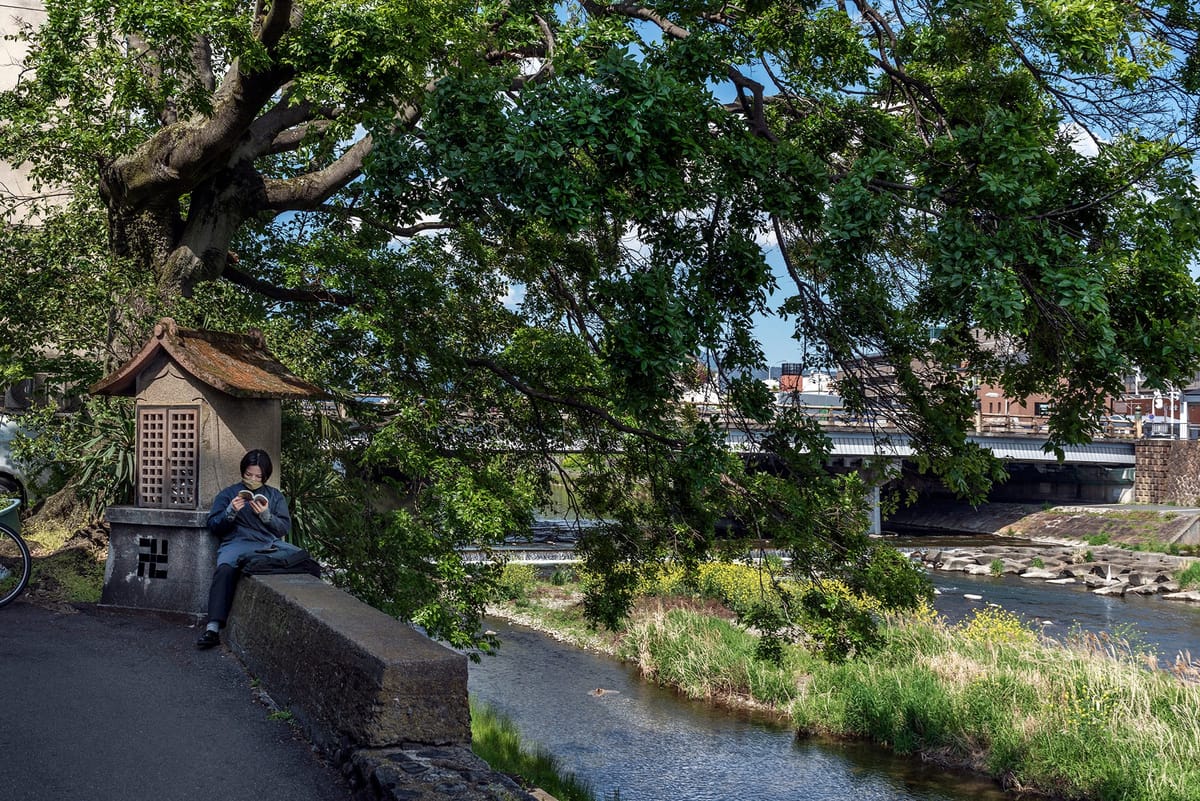
Last year, Japan saw its hottest summer ever, with temperatures 2.36 degrees above average. It set a new record, beating out 2024. This is not a coincidence, but exactly what scientists have been raising alarm bells about for more than 20 years — climate change will result in more heatwaves, especially in the summer.
For the vast majority of Japan's residents, who reside in cities, it's becoming a major problem. Every summer, ambulance transports sharply rise. In a normal summer month in Japan, over 37,000 people are hospitalized across the country due to heatstroke. In a typical year, heat kills more people than earthquakes, tsunamis, flooding, and other natural disasters combined. Japan invests heavily in disaster risk reduction infrastructure, but adaptation to extreme heat has struggled to keep pace with the rapidly rising risk.
While much more can be done to mitigate the greenhouse gas emissions that are the main cause of climate change, it will take years, perhaps decades, before that can have an impact on extreme heat. We need to make our cities more livable.
Unfortunately, in Japan, that is mostly not happening. In fact, outdated policies and practices are making things worse. Municipal policies prioritize cutting trees and building more concrete around waterways, which only make the summers hotter.
One city facing an even greater challenge is Kyoto, which last year saw a record 55 days of extremely hot temperatures. Located in a basin, surrounded by mountains, it's long been known that Kyoto is hotter than other cities in Japan, or even in the Kansai region, such as Osaka and Kobe, and climate change is not helping.
Anyone who spends time in Kyoto knows that the city is significantly hotter than the mountains that surround it. This is due to what is called the urban heat island effect, where lack of natural surfaces and trees as well as the existence of concrete, roads and buildings increase temperatures by as much as 5°C. And it will only get worse, unless action is taken to stop it.
According to the Massachusetts Institute of Technology (MIT) Climate Portal, “People living in urban heat islands are especially vulnerable to the effects of climate change. As the planet warms, urban heat islands will only intensify those higher temperatures.”
Beyond simple health damage, there are huge economic, social, and cultural costs. Work productivity drops as heat stress rises, and becomes more pronounced when wet bulb temperatures exceed 28°C, which is now approaching a third of the year. Recently, Gion Matsuri, which has taken place every July for over 1,000 years, has witnessed a growing number of spectators requiring medical attention.
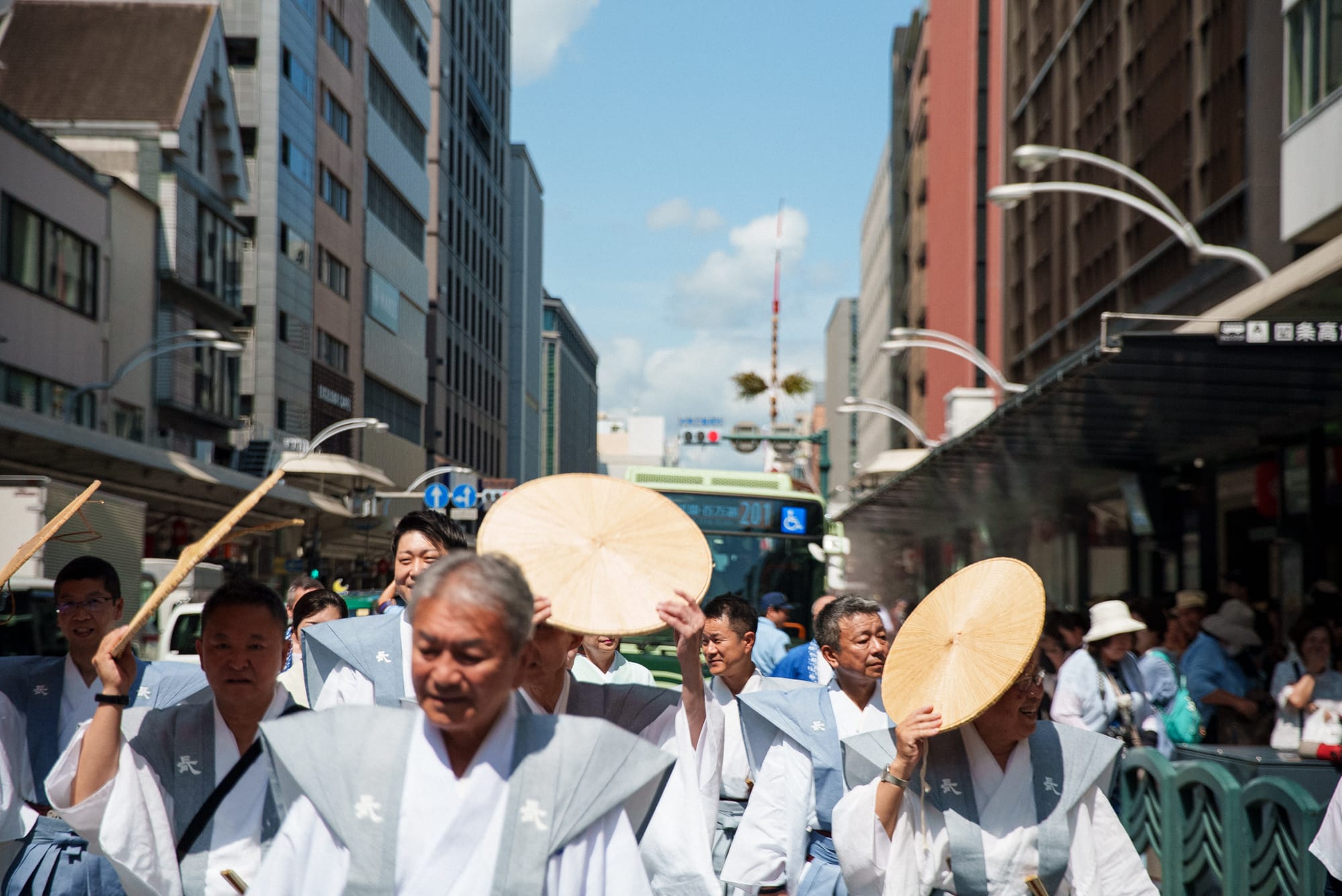
Climate change is the main culprit, as the concentration of greenhouse gases in the atmosphere continues to rise. Japan, as a longtime industrialized country, has more than emitted its share of CO2. Last year, Japan's summer was 2.3°C above historical norms, a trend that is likely to continue.
Kyoto is even hotter. Increasing tourist numbers stimulate new construction, which often results in less tree cover, making the heat worse, and Kyoto residents are suffering. For a city long famous for its gardens and surrounding nature, there is a stunning lack of green space, with little shade in many neighborhoods, and limited planning around heat.
There are solutions. According to MIT, “the most obvious way to fight the urban heat island effect is to reintroduce vegetation. Cities can expand parkland, plant street trees, and install ‘green roofs’ designed to harbor plant life.”
Walk through Kyoto, Tokyo, Osaka, or any major Japanese city, and you’ll notice that new homes often rarely have any greenery, opting, instead, for concrete or artificial turf rather than trees or plants. A report from the University of Tokyo published in 2024 found that tree cover in Tokyo declined by an astounding 20 percent between 2012 and 2022 — with residential areas the key culprit, accounting for nearly 40 percent of tree cover loss.
As Japan gets hotter, cities like Tokyo, Kyoto and others need to expand green spaces. Two Unfiltered members are spearheading the launch of a new volunteer group, Cool Kyoto that aims to use the ancient capital’s appreciation of nature as a springboard to safeguard a livable, beautiful, cool future of our city.
Cool Kyoto aims to both educate the public and build political momentum in neighborhoods to increase tree cover, limit excessive use of concrete, and restore ecosystems in vacant or underused areas.
One idea is to transform Kyoto’s urban rivers, which are currently little more than concrete drainage ditches, into greenways modeled on the Philosopher’s Path. This restoration would not only make Kyoto cooler and more ecologically resilient, but also more vibrant and beautiful, with visitors more evenly distributed. It would also develop a more resilient economy and more desirable neighborhoods. We hope this return of plant life inspires poetic appreciation and renewed awareness of Kyoto’s seasonal beauty.
There are ample opportunities across Kyoto. More trees along sidewalks would make walking and biking more comfortable, and perhaps viable, choices to crowded trains and buses. Schoolyards, and children, could benefit from more shade during recess or after-school activities.
Around the world, and in Japan, cities are expanding green cover and areas to protect residents against heat. One leader is Sendai, the largest city in Tohoku, which has branded itself a green city and is famous for its zelkova tree lined boulevards and ample green space. Unlike Kyoto, Sendai’s streets have large shaded trees that both keep the city cooler and make it more beautiful.
There is no reason that Kyoto can’t also be a green city, especially with its long history and heritage of environmental stewardship. As summers get hotter, Kyoto should be looking to the past to inspire a more livable urban environment. It’s likely that 2026 will break last year’s record and, once again, be the hottest summer in Japan. It’s time to adapt to this new reality and make our communities cooler, healthier, and safer.
For anyone interested, we’ll be discussing Cool Kyoto at the next Green Drinks Kansai on March 25th near Kyoto Station. You can also email us at coolkyoto@proton.me
Comments ()