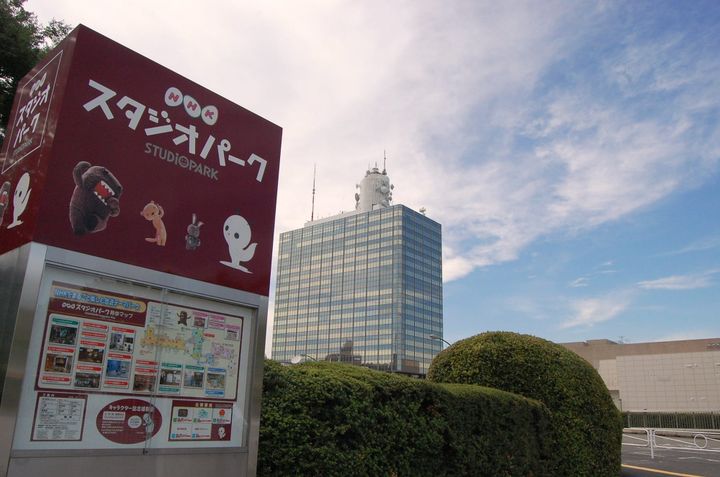
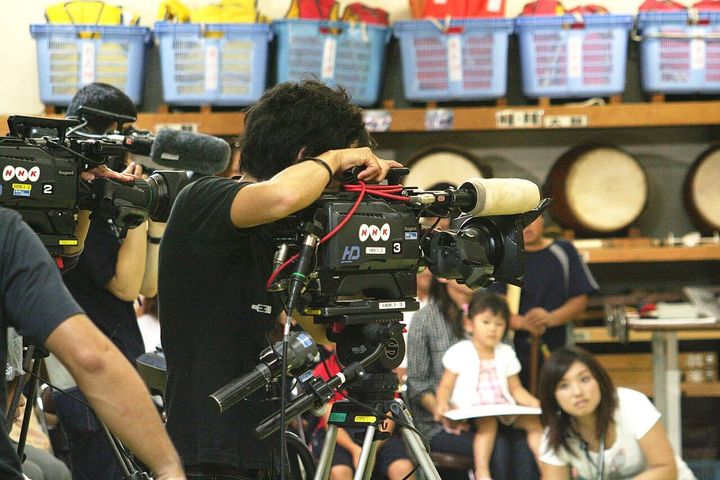
NHKは公に奉仕する日本の公共放送局なのか いかなる民主主義社会においても、メディアの根本的な役割は、権力の乱用を監視し公の利益のために機能することにあるはずだ。それには多大な努力と勇気が求められる。近年NHKはその役割を怠り、単に政府や権力者の代弁者にすぎないと批判されつつある。その背景を検証する。
Part 3: NHK - Does Japan’s powerful public service broadcaster serve the public? The failure of the media to be a public watchdog can have profound consequences. On a day-to-day level, debate about complex issues: historical fidelity, relations with Japan’s three biggest neighbors, the possibility of conflict with China – is cheapened and blurred.
Part 2: NHK - Does Japan’s powerful public service broadcaster serve the public? The core purpose of the media in any democratic society should be to as watchdog for the public interest, monitoring abuse of power. But this takes hard work and courage.
NHK: Does Japan’s powerful public service broadcaster serve the public? In recent years NHK has been accused of being simply a mouthpiece for the government and for the powerful.
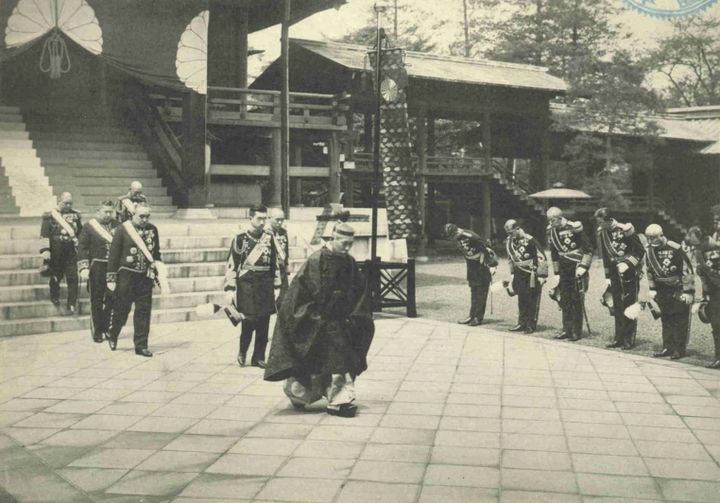
戦時中、再軍備の必要性を繰り返し訴えた昭和天皇ーー北野隆一記者に聞く 日本が激動の中にあった1933年から1945年の期間、天皇として果たすべき役目が戦後のタブーや検閲によって覆い隠され、賛否を分ける人物となった昭和天皇。1989年の崩御以降、公開されるようになった多くの記録から、好意的でない側面も含め、その思考と行動が明らかになっている。
Emperor Hirohito repeatedly advocated for the necessity of rearmament -- an interview with journalist Ryuichi Kitano The Showa Emperor was a deeply divisive figure whose role in the tumultuous period from 1933-1945 was clouded by lingering postwar taboos and censorship. Since his death in 1989 multiple accounts have given us a clearer picture of his thoughts and actions in ways that are often unflattering.