
The Indonesian-led art collective building cross-cultural solidarity in Tokyo
From lowering art barriers and curating diverse exhibitions, Adiwitiyo Purnomo has been a centerpiece for allowing young domestic and international artists to thrive in Tokyo’s art communities.
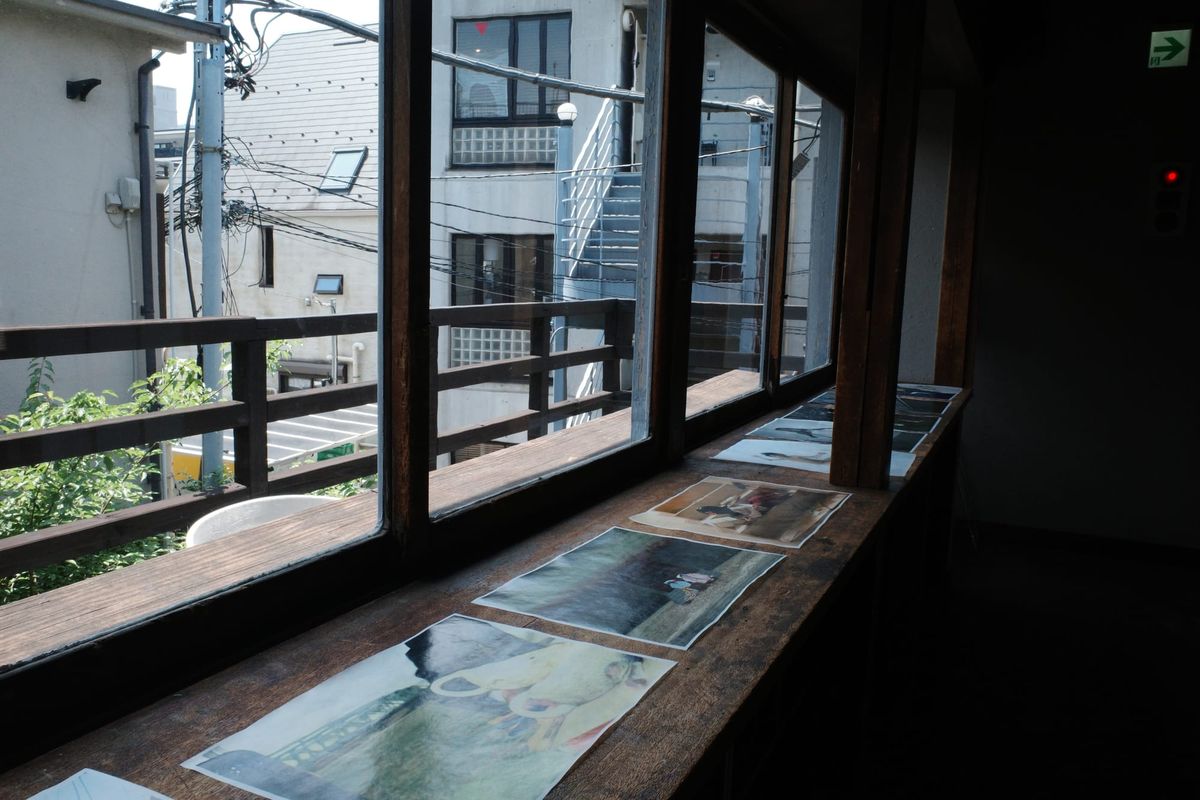
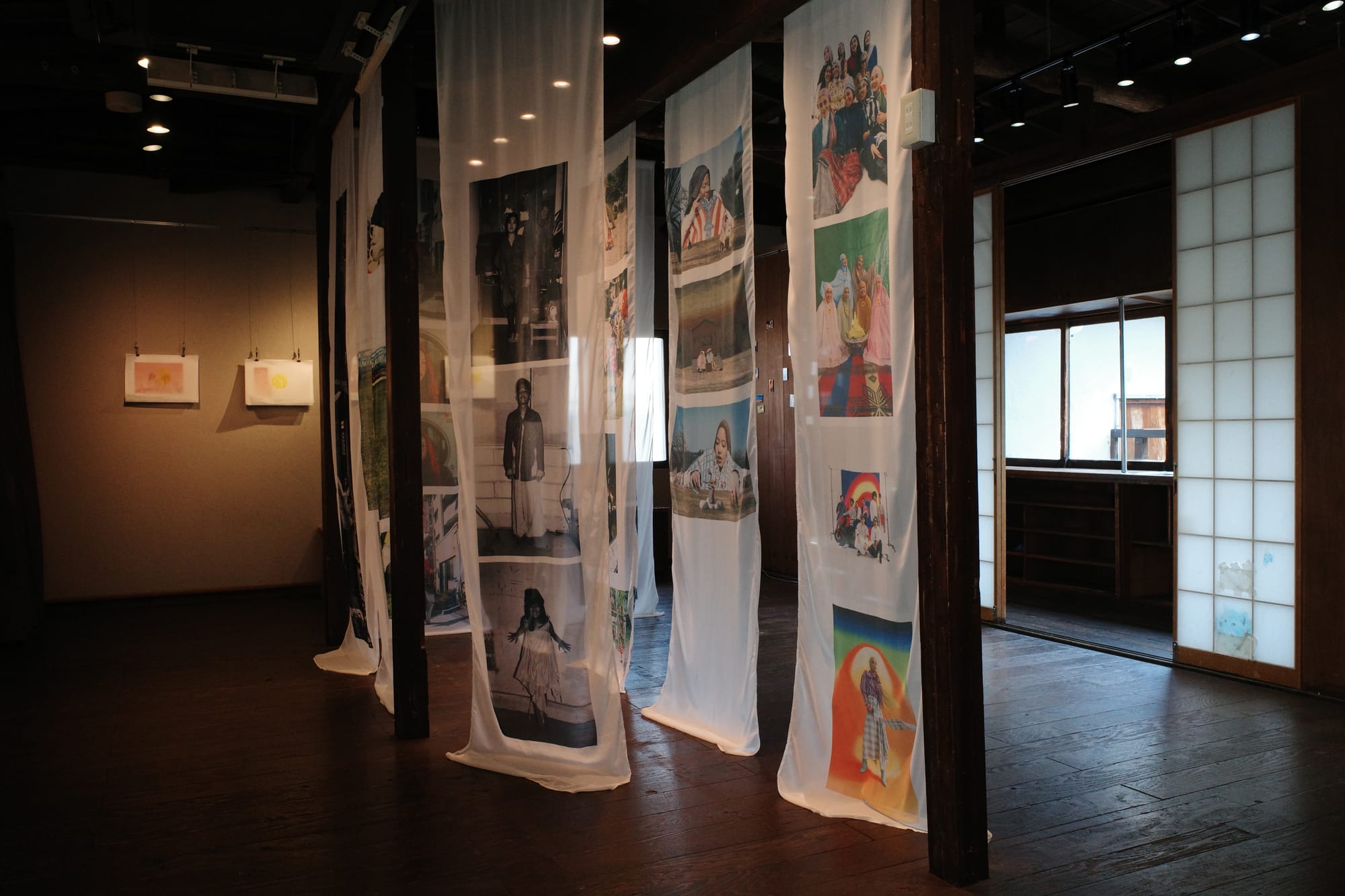
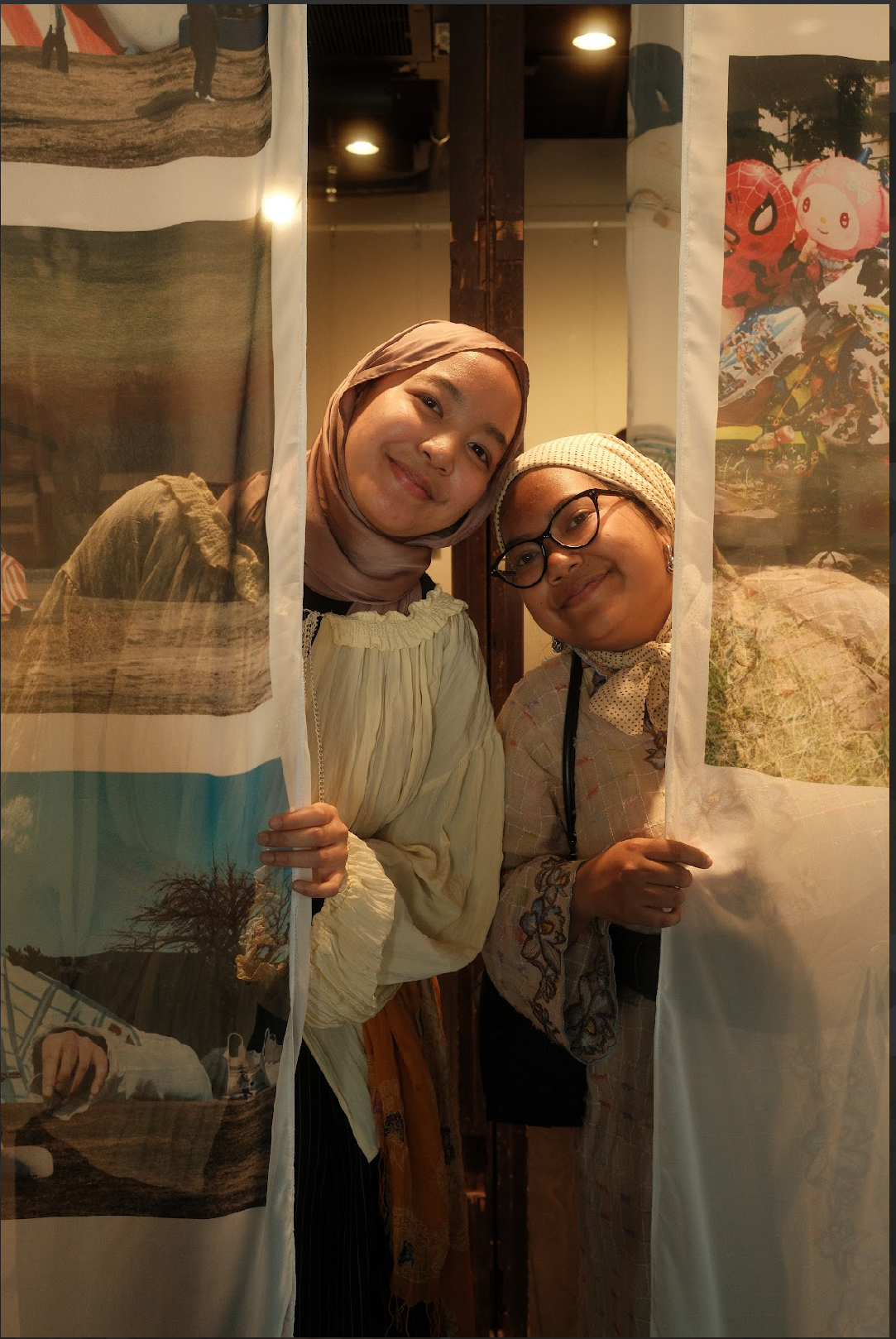
On the second floor of Omotesando’s Urasando Garden, a mix of Indonesian, Japanese, English, and Malay can be heard echoing down the mahogany wooden staircase as groups of young artists and enthusiasts share jokes, information about upcoming activism movements, and analyze the cultural motifs in the surrounding art pieces as drapes of chiffon imbued with photographs occupy the center of the room. Adiwitiyo Purnomo, 29, is the conductor of this two-day art pop up, Arifureru / 凡 / Mundanity, held from May 16-17.
“Having your artwork in an art space validates artists,” says Purnomo, who graduated from Chuo University with a masters in Economics, now a researcher at Keio University’s Graduate School of Media Design since 2025.
“Having it displayed physically, especially in a location they’re not located in, they have a sense that ‘my artwork is out there and someone is appreciating it.’ I want to help these artists reach new audiences, meet new people, and get more conversations flowing.”
Purnomo is a Jakarta native and moved to Japan in 2015. Since 2021, he has organized nine exhibitions across Tokyo, Fukuoka, and Beppu under Rumpun, an art collective, and Dai Dai Archive, Purnomo’s personal curatorial project. Through these two organizations, he’s lowered the barrier for Japanese and foreign artists to display their works in galleries across Japan.
Unbarred Territories
Purnomo hosts exhibits mainly in Tokyo, Japan, because it is much more international than Jakarta. While the capital city has a lot of tourists and rich foreign expats, Purnomo finds that these audiences don’t gravitate towards grassroots artists and locals often interact with other Indonesians; opportunities to speak with people from other countries are limited. In Tokyo, however, he’s found people of different cultures and parts of the world coming to see his exhibits. This is also true for the artists he’s featured.
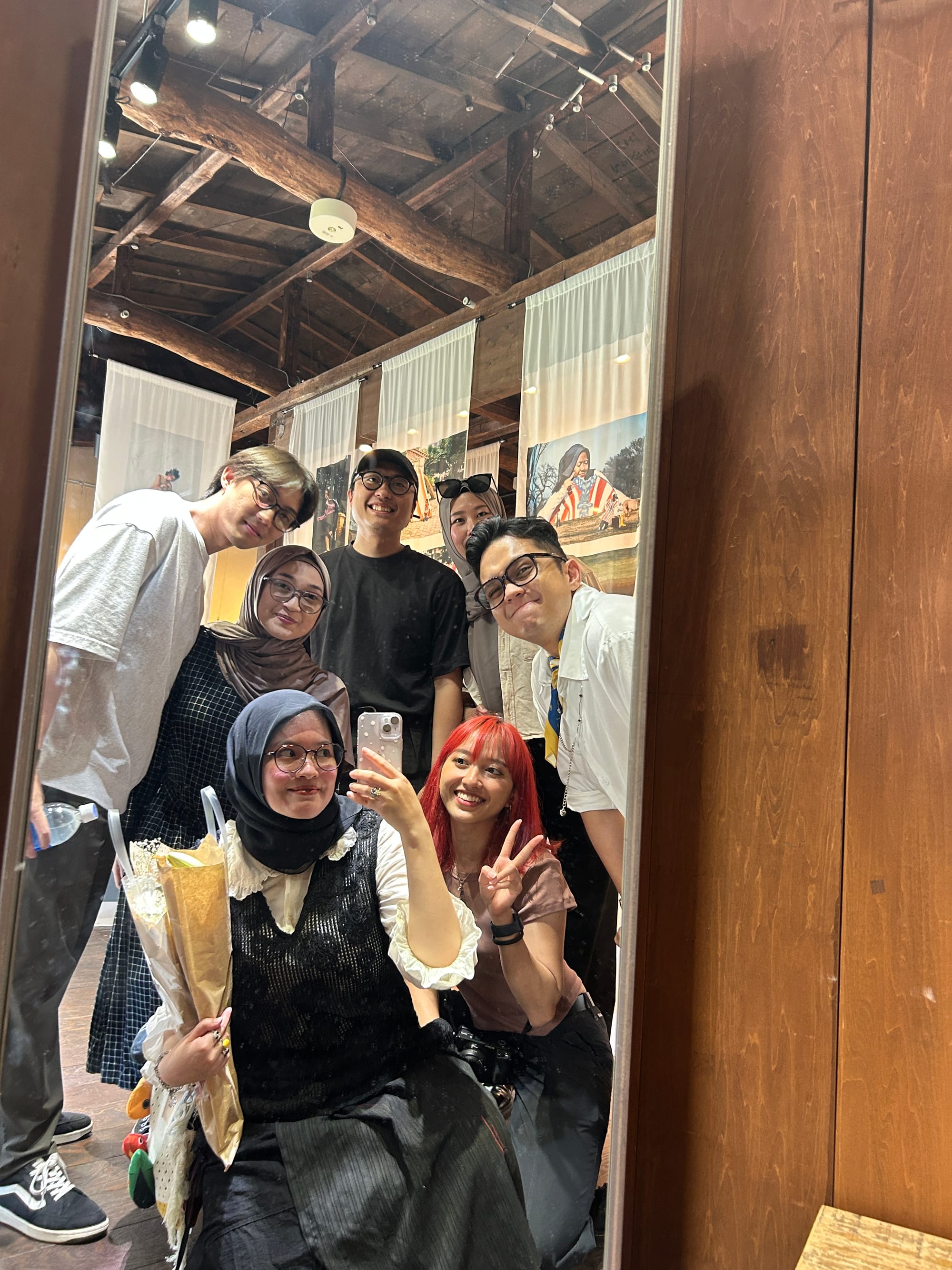
Rumpun received over 1,000 submissions from Indonesian and Japanese artists who sought a place to display their work. Initially started as a means to represent Indonesian artists who did not have access to galleries in their domestic cities, Rumpun became more than just an art collective to display emerging artists; it became a safe space where artists can express and share their cultures, languages, and identities. It’s a place where Japanese and Indonesians can connect.
Meanwhile art galleries in Indonesia often censor artists’ projects that are deemed an infringement on public morality or overly political. Some examples are pieces which represent LGBTQ+ ideas, political satire, or nudity. Moreover, Indonesia’s art market places heavy emphasis on conventional paintings, making it difficult for contemporary artists to display other mediums such as digital or performative art.
Even if an artist manages to display their piece in Jakarta, one of Indonesia’s few art hubs, their work does not receive much circulation amongst international audiences since the art scene is often synonymous with a pastime for the wealthy. Curating an art exhibit also has its difficulties.
According to Purnomo, renting out art spaces in Japan tends to be much more affordable compared to Jakarta since art goers in Indonesia are larger in number and have higher expectations. Rentals could cost upwards of 2.25 million rupiah (¥20,000) per hour in Indonesia while some spaces in Japan are even free.
A Collective of Creatives
The group quickly rose to prominence amongst Tokyo’s art community as artists from an array of different communities — queer, handicap, foreign, and Japanese — gravitated to the art collective where they could lend their perspectives on how to make art events more inclusive and accessible.
Unlike the traditional model, the collective provides solidarity and a supportive community. Moreover, there are little to no fees to display artworks, no limitations on the medium of their artwork, and participants become a credited artist. With a wide cast of volunteers and artists lending their ideas, Rumpun’s inclusivity has evolved to a much higher level than most other galleries may offer.
In one instance, Purnomo became cognizant of how “accessibility” differs between abled and handicapped bodies while setting up an exhibition with a handicapped colleague. It’s part of the reason why Rumpun is set in wide, spacious rooms with wheelchair or elevator access.
The collective has also become a place where artists outside of Japan can voice their opinions and concerns on sensitive domestic subject matters without facing harsh consequences.
Rumpun’s last exhibition held in September 2025 was in response to large-scale protests taking place across Indonesia after the proposed monthly housing allowance for members of the House of Representatives revealed the imbalance of wealth between government officials and commonfolk. The government was condemned for excessive pay and housing allowances for parliaments in a country where the wealth disparity is astronomically high and the common household struggles to keep up with the cost of living. The situation soured and protests turned violent after Jakarta police killed 21-year-old motorcycle rideshare driver Affan Kurniawan.
In a time of turmoil and resentment towards Indonesian authorities, Rumpun became an outlet to display political satire, distaste and criticism. It was also a crucial information gallery for Tokyoites who were not updated on the conflict.
Featured artists were honored to have their works displayed in a foreign country with no submission fee and elated to learn that audiences outside of Indonesia became aware and educated about Indonesia's politics.
Exhibiting Diversity in Art
Purnomo also tries to be as inclusive as possible in his curation process for Dai Dai Archive. “Dai Dai Archive focuses more on the curatorial aspect, so I do all the decision making and visual directions,” Purnomo says. “There’s always deliberate choices of what kind of materials to be used, stories to be outlined, the kind of people who could be involved and what kind of medium we want to use.”
For example, Shadee and Mawar honored their respective cultures by crafting handmade cardboard cut-out outfits which are inspired by Indonesian and Malaysian kebayas and photographing their outfits in a local Tokyo park.
Meanwhile, Farid Renais, a photographer based in Jakarta, featured his nieces and nephew and dressed them in designer clothing with their grandmother’s traditional house being the backdrop, showcasing that domestic and designer outfits can coexist.
From choosing a diverse cast of supporters and artists to carefully selecting the materials used for the art, he carefully thinks about those who may have trouble viewing the pieces.
“I chose chiffon, a hijab material, because it’s partially see-through and you can view it from different angles,” Purnomo said. “I’m trying to tap into helping people with visual impairment.”
With Dai Dai Archive, Purnomo emphasized making it an interactive exhibition where the audience can utilize their other senses to feel the displayed fabrics and artworks or listen to audio memos about the artwork. He printed out artists’ biographies and their photographic artwork on different types of papers such as copy, washi and tracing paper, allowing people to touch and feel the ink of the pieces and move past the visual barrier of consuming art.
But a large part of why Purnomo organizes these exhibitions is for the artists themselves. He noticed that many of the talented artists he meets are either not confident enough or don’t have the resources, time or ability to showcase their artwork somewhere.
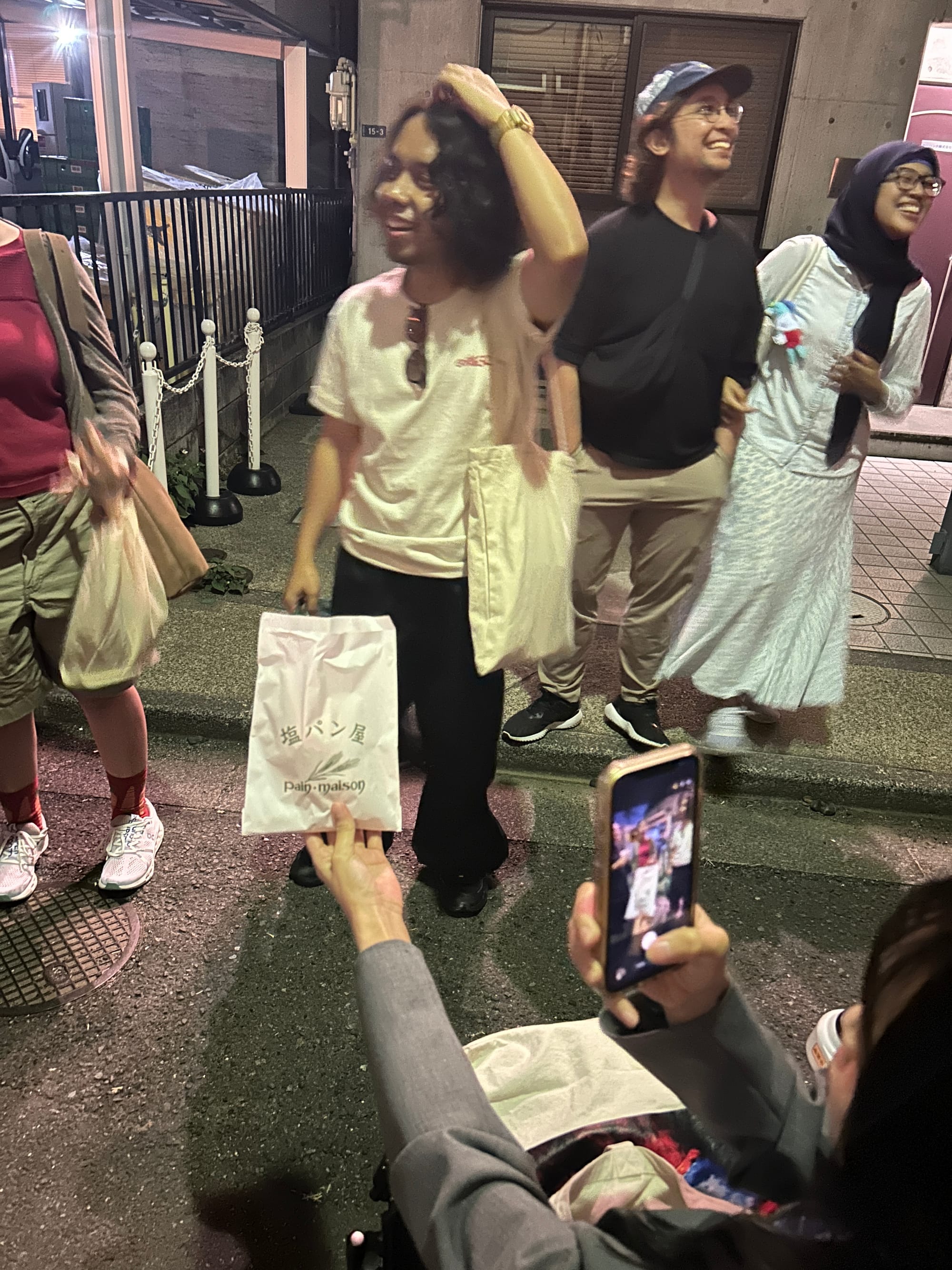
“We can always connect all the resources that we have, whether it's the curators, the media partners, or the designers, we can basically create a new service for people who could help each other out without actually putting too much burden upon each other,” Purnomo said.
Whether it’s through Dai Dai Archive or Rumpun, Purnomo continues to provide a space for artists to display their art pieces while breaking the standard barriers of consuming art. Wrapping up Arifureru, Purnomo is already in the ideation phase of his next Rumpun exhibit.

Comments ()